Even a low-fuel light can malfunction. We leave nothing to chance.
In the final years of production for the MX-5 NBFL, a low-fuel indicator light was introduced above the fuel gauge. We’re talking about 2004–2005, a model year I often refer to as the NB3. Until then, the European NBFL—which I call the NB2—had a completely black lens with no light behind it. The North American models featured a small lens with a light for cruise control. However, the difference goes beyond just the lens. There is also more electronics inside the instrument cluster. So, if you install an NB3 instrument cluster in an NB or NB2, you’ll also get a low-fuel warning light that alerts you when your fuel tank is starting to run low.
To check if you have an NB3 cluster, look at the back of the instrument cluster. You’ll see four screws in the lower right corner and a track leading to a light above the fuel gauge.
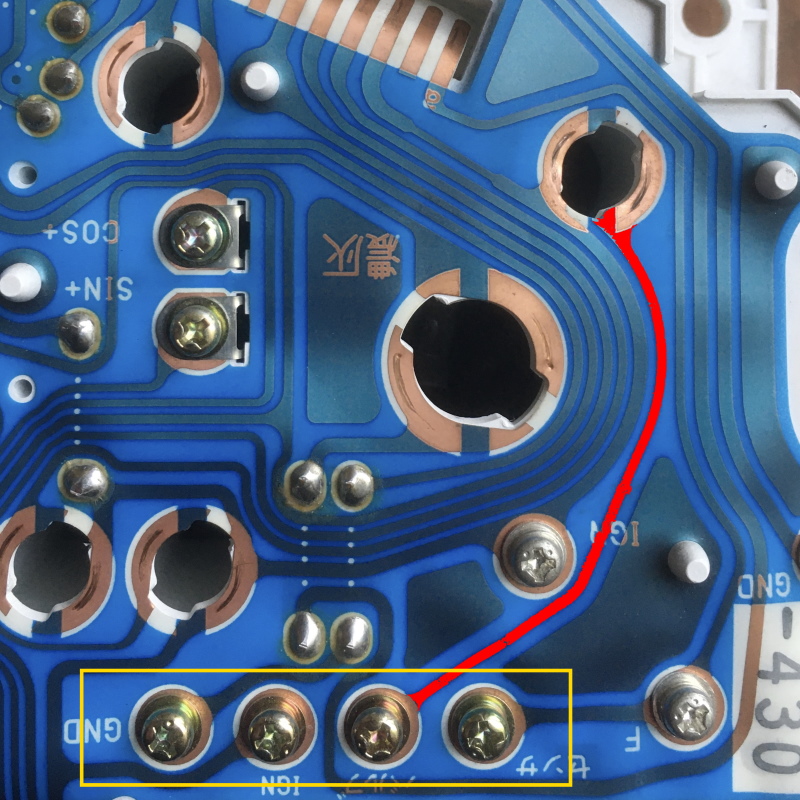
If you have an instrument cluster like that in your car, you’ll rarely—if ever—see that low-fuel light come on, especially if you fill up in time. To check whether the light is in good working order and actually works, you’d have to drive until the tank is nearly empty.
The modification I’m about to describe below is by no means necessary, but rather a tribute to the creativity that is so characteristic of the MX-5 community. As the saying goes: “Trust is good, but verification is better.” And that applies to warning lights as well. Mazda constantly monitors the fuel level in the tank and alerts us via the low-fuel light. But who monitors the low-fuel light? When you turn the ignition on, a number of lights in the instrument cluster come on. A few of them go out again after a few seconds—for example, the ones for the immobilizer, ABS, and the airbags. For someone who’s really good with electronics—and I don’t count myself among them—it was a piece of cake to include the low-fuel light in those checks. When René shared the idea with me, I immediately signed up to add it to my MX-5 as well. Not because I have to, but because I can.
This video shows the result of this modification. Not everyone is a fan of it, but if you want to know what it took to make it happen, keep reading and I’ll try to explain.

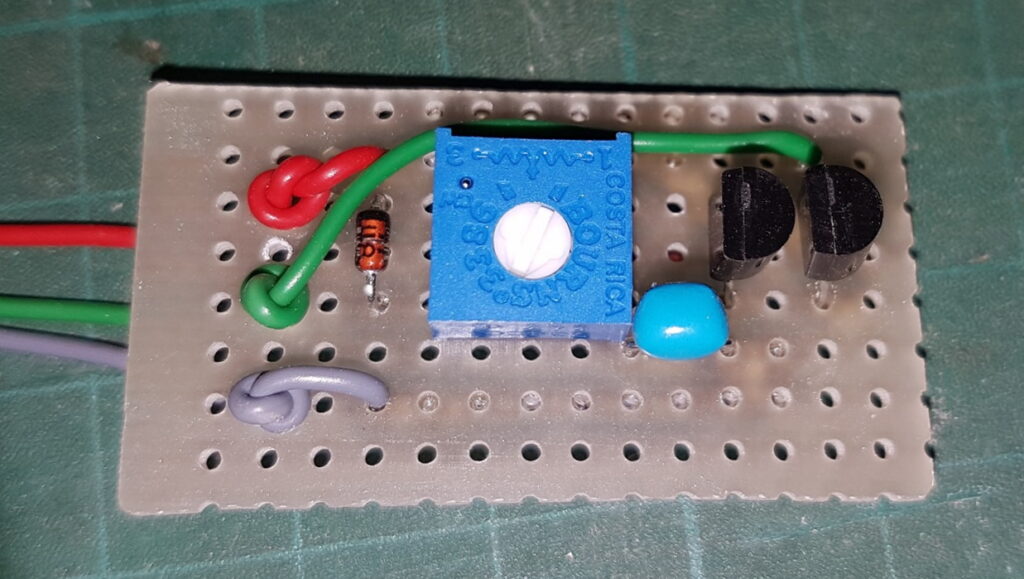
The idea was to have the light stay on for a few seconds as soon as the ignition is turned on. If it then turns off, there is still enough fuel in the tank; otherwise, it is recommended to refuel. The solution must account for the fact that there are two reasons for the light to stay on. To make the light stay on for a few seconds, an RC circuit was used, combining a resistor with a capacitor to keep the light on until the capacitor is charged. The solution uses a variable resistor—in the form of a potentiometer—so that the duration the light stays on can be adjusted. Very clever, indeed.
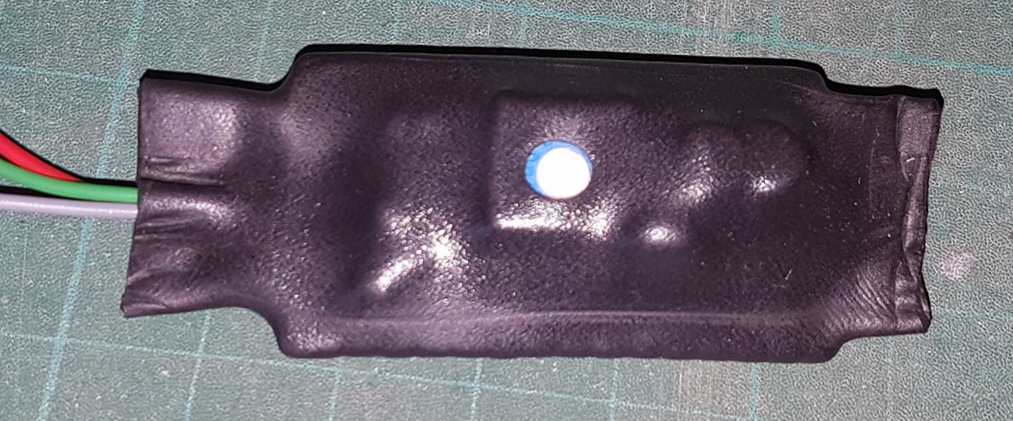
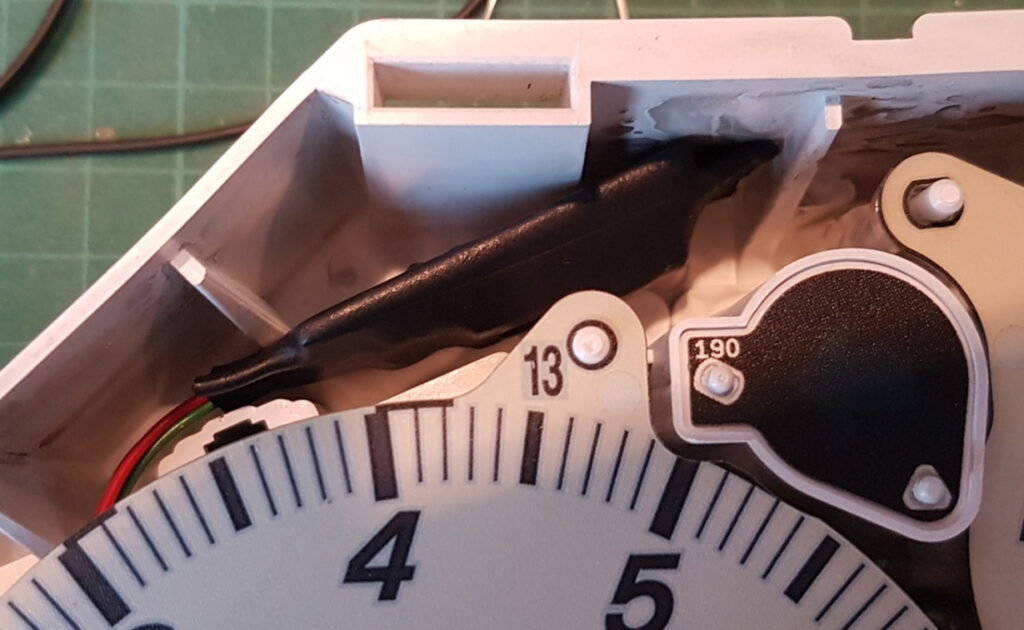
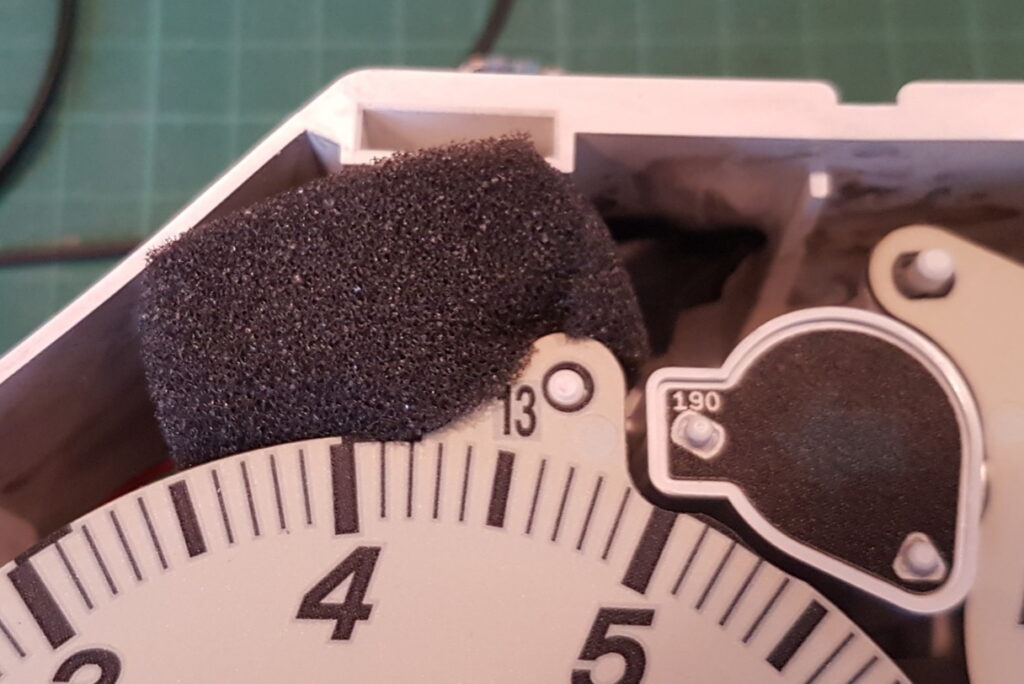
The photos show what the small circuit looks like, how it is wrapped in heat-shrink tubing to prevent short circuits, and where the circuit has found a safe home above the tachometer in the instrument cluster.
If you have any questions, you can reach me through the contact page.