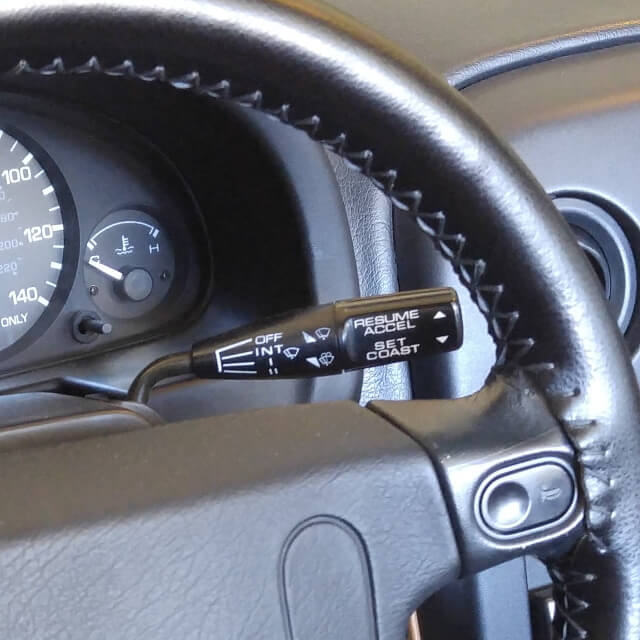
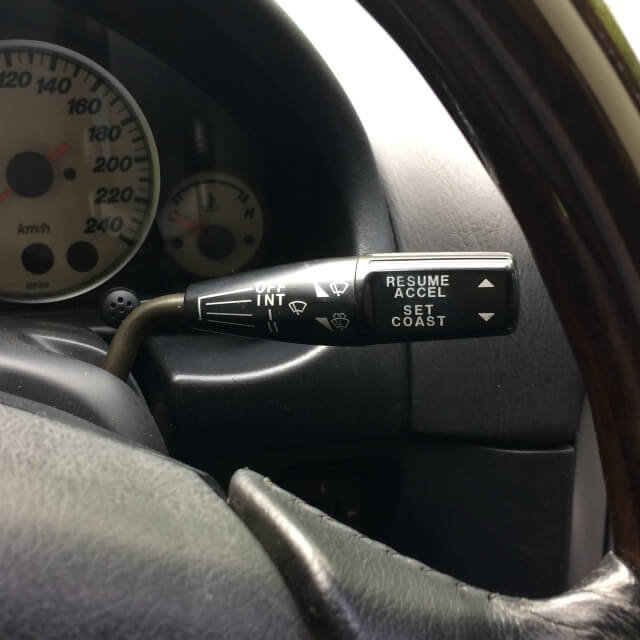
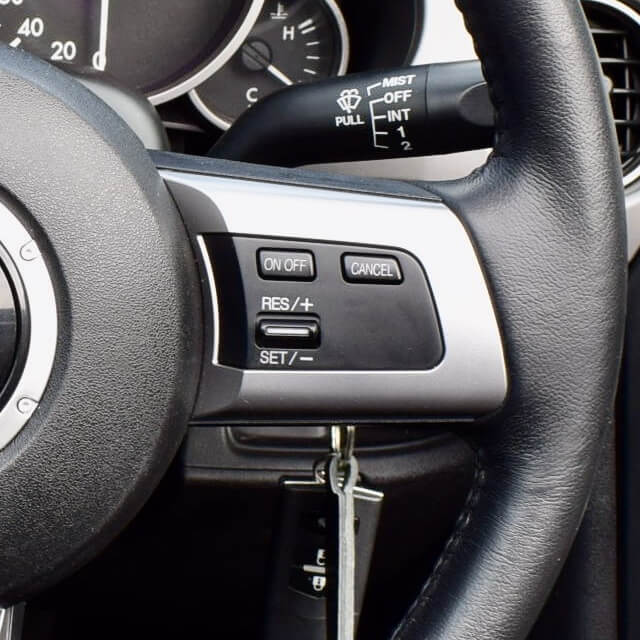
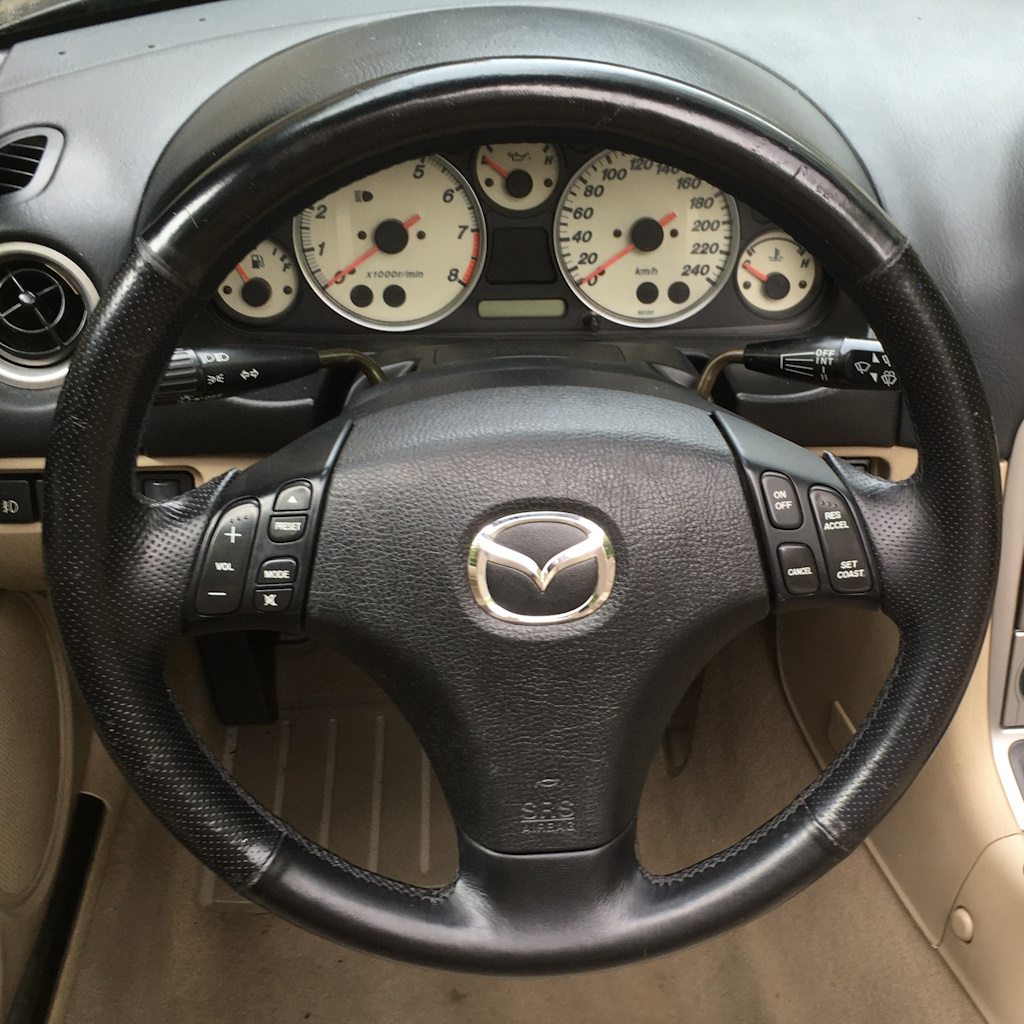
What is it?
Cruise control is a system that maintains a car at a preset speed without the need to press the accelerator pedal. This allows the driver to take their foot off the accelerator and relieve some strain on their body by adopting a more comfortable posture for a moment. On longer trips—and these days, when speed limits are enforced—it’s nice that the car can maintain a constant speed on its own.
Fun fact
Cruise control was invented by a blind engineer. This man, Ralph Teetor, was riding in his lawyer’s car and was getting car sick from the constant braking and accelerating needed to stay under the speed limit. The ride would have been much more comfortable at a constant speed. The idea for cruise control was born. Many years later, it went into production, but not long after that, it became standard equipment on many American cars.
How does a cruise control systeem work?
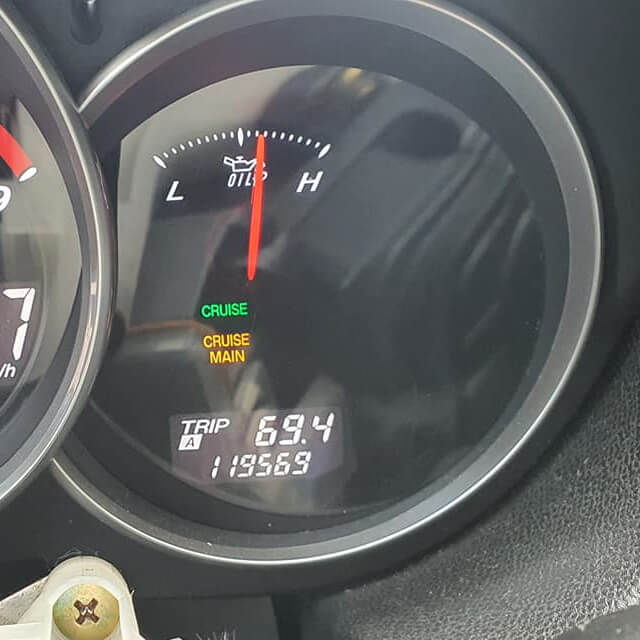
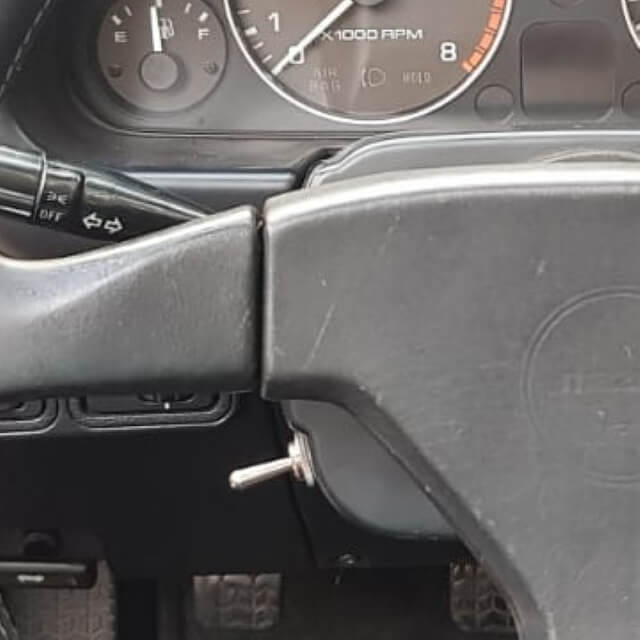
The car’s speed is constantly measured. This is usually done by measuring the number of revolutions of the wheels or the output shaft of the transmission. When cruise control is engaged, the car’s current speed serves as a reference point, and the system works to maintain a constant measured speed signal—and thus the car’s speed—by taking over the function of the accelerator pedal. For cars that still use a steel throttle cable to connect the accelerator pedal to the engine, an additional cable is needed to operate the throttle cable. The force required to pull the cable is provided by an actuator. There are roughly two types of actuators. The first type uses vacuum, similar to how power brakes work. Electromagnetic coils are then used to regulate the amount of vacuum—and thus the force—applied to the cable. The second type of actuator is fully electric, meaning the pulling force is actually provided by an electric motor. In cars with an electronic accelerator pedal, this is not necessary, because the engine control unit can send the correct signals to the engine on its own and thus regulate the speed. After setting the speed, the driver can adjust it up or down using controls on or near the steering wheel. Speed control is interrupted when the brake or clutch is applied, or when requested via a button or switch. For this reason, the system continuously monitors the signals from relevant switches in the vehicle. After such an interruption, the system can automatically accelerate or decelerate the vehicle back to the previously set speed if the driver requests it via a button or switch. To prevent cruise control from being activated unintentionally, there is often a master switch that allows you to turn the entire system on or off. Only after the system has been turned on via the main switch can a desired speed be set.
What cruise control systems has Mazda used on the MX-5?
The first two generations of the Miata and MX-5—the NA and NB models from 1989 through 2005—use a separate cruise control module to which all relevant switches, the vehicle speed signal, and a vacuum-operated actuator are connected. Starting with the third generation—the NC, introduced in 2005—the throttle cable was replaced with an electronic throttle, and the cruise control module and actuator were eliminated; instead, the engine control unit takes over that role. The Mazda RX-8 is based on the same platform as the NC and uses the same principle for cruise control.
Was cruise control available on all MX-5s?
From 1989 to 2009—that is, for the first 20 years—cruise control was available in the North American market. It wasn’t until the facelifted version of the NC was introduced in 2009 that cruise control became an available option in the European market.
Can the original cruise control system be retrofitted?
Yes, that’s possible. However, there is a limitation for European NA models that were delivered without an airbag. The European NA differs electrically and mechanically from the American Miata, which means the controls behind the steering wheel of a Miata cannot be installed on an NA without an airbag. For all other models, the system can be installed using all original parts. However, because the European models are not equipped for cruise control, the wiring for it is missing from the wiring harness. The wiring must therefore be completed retroactively during installation.
More information about cruise control for the various generations of the MX-5 and the RX-8 can be found below. If you have any questions, you can reach me via the contact page.